Eleven Rules for the Child Born Between the Tinsel
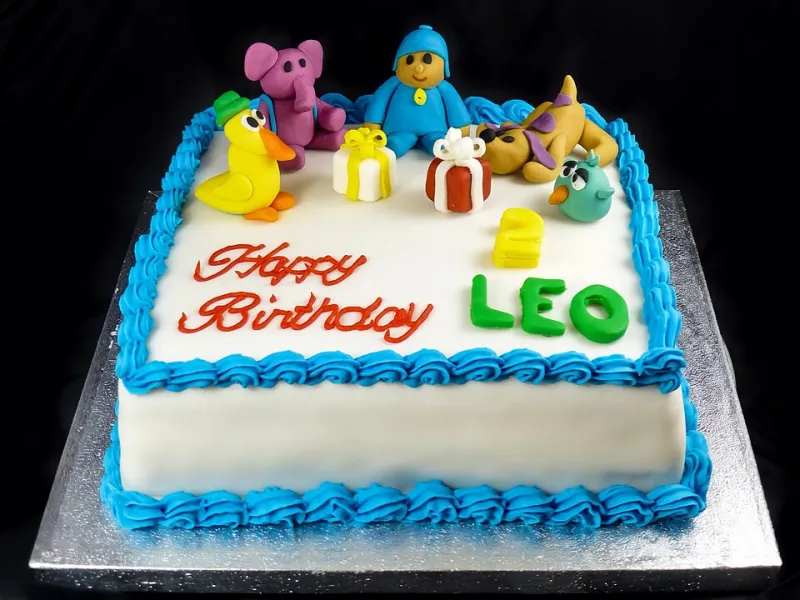
Photo: Jay from UK, CC BY 2.0, via Wikimedia Commons
There is a very specific injustice to being born in December. Your birthday arrives when the house is already halfway to being a grotto, when every other child in your class has already had a turn, and when your relatives are visibly doing sums in their heads about whether one present can reasonably cover both occasions.
If you're parenting one of these festive-adjacent children, here's a field guide. Eleven rules, learned the hard way, mostly by spreading cake across a dual-purpose tablecloth.
1. Accept the party is a lottery
School nativity rehearsals, carol concerts, the last week of term, the panto trip, the family gathering your partner's mother booked in October and told nobody about. December Saturdays are contested territory. If you're going to attempt a party in the month itself, book it in late September or accept that half the guest list will be at a dress rehearsal wearing a tea towel.
Which brings us neatly to Rule 2.
2. Consider January — unashamedly
Venues are cheaper, guest availability is through the roof, and nothing else is happening. The full-birthday-party of a six-year-old on 14 January is a perfectly legitimate event, especially if you frame it beautifully: 'We're celebrating your birthday in the new year, when all your friends can come and there'll be more cake for everyone.' Most children accept this offer faster than you'd expect, particularly if there's a bouncy castle involved.
For younger children it barely registers as long as cake appears somewhere near the day itself.
3. Rule the combined-gift trap out, in writing, in November
No child has ever received a 'combined birthday and Christmas present' and felt truly joyful about it. They've performed joy. It's a performance.
So say it out loud, early, before the shopping begins: 'For the children's birthdays we do a birthday present and a Christmas present. They're separate occasions.' Say it once to each set of grandparents, cheerfully, as though it's a well-known family tradition rather than something you made up eighteen seconds ago. Most will comply. Some will buy two smaller things, which is fine. The rule is about recognition, not price.
4. Build a Christmas-free zone
Even in a small house, one chair, one end of a kitchen table, one windowsill can be birthday-only for the day. Paper plates with balloons on them rather than robins. A birthday banner that came in a two-pack from the supermarket, hung in a bathroom if need be. A helium balloon — the single best-value item in the entire celebration industry.
The point is not to erase Christmas. It's to create a small, unmistakable place where the occasion is theirs.
5. Protect one present from the pile
If the December birthday falls close to the 25th, relatives will arrive bearing piles of wrapped things and the birthday can get visually swallowed. Keep the day's presents in a separate room, unwrapped on the day, and save at least one larger gift back. It doesn't have to be expensive — the point is that there's something for them to open when everything else has been opened twice over.
6. Let them choose dinner, and let it be terrible
Their birthday, their menu. If that's fish fingers, so be it. Giving a December child full control of one visible, concrete thing — dinner, or the film, or the music in the car — is worth more than an extra tenner off the party deposit.
7. Do not allow the day to be absorbed by Christmas Eve
This is the classic trap for birthdays landing on 20 to 24 December. Everyone is tired, everyone is wrapping, everyone is at a loose end about a turkey. Do not let the birthday become 'we'll do something on the 27th'. It never happens, or it happens in a car park.
Book the day. Put it in the calendar as something other people can't edit, with a time on it.
8. Remember the one small advantage
December-born children in England are among the oldest in their school year group, which does wonders for their confidence and their ability to reach the top shelf. It's the only free gift the calendar gives you. Say it to them often.
9. Beware present fatigue
The two weeks before Christmas are a strange sensory soup for a small person, and a birthday can land in the middle of it and feel like one more thing they have to be grateful for. Keep the birthday small if that's what they need. Small is not sad. Three friends, a film, a takeaway, done.
10. Handle the school cake problem early
December is a bad month for sending in a birthday cake. Everyone is sugared to the eyeballs already, and teachers are counting down the days. If the school allows it, choose the least chaotic day of the final week — usually a Tuesday — and keep it simple. Some schools have a blanket policy of no birthday treats of any kind, which is a blessing in disguise and should be thanked for.
11. Give them a birthday month, not a birthday corridor
Rather than forcing everything into a single crowded day, let the celebration sprawl. One present on the actual day, one outing in the January lull, one family tea whenever everyone can be in the same postcode. Children rarely need the party to happen on a specific Saturday — they need to know that a day belongs to them, and that the people around them remember.
The best bit
A December child gets to grow up being spoiled twice in a month, and they will remind you of it for the rest of their lives. The trick is making sure those two occasions don't squash into one long, glitter-smeared blur.
Protect the day. Protect the present. Protect the fish fingers. And whatever happens, don't let anyone wrap a birthday present in Santa paper.